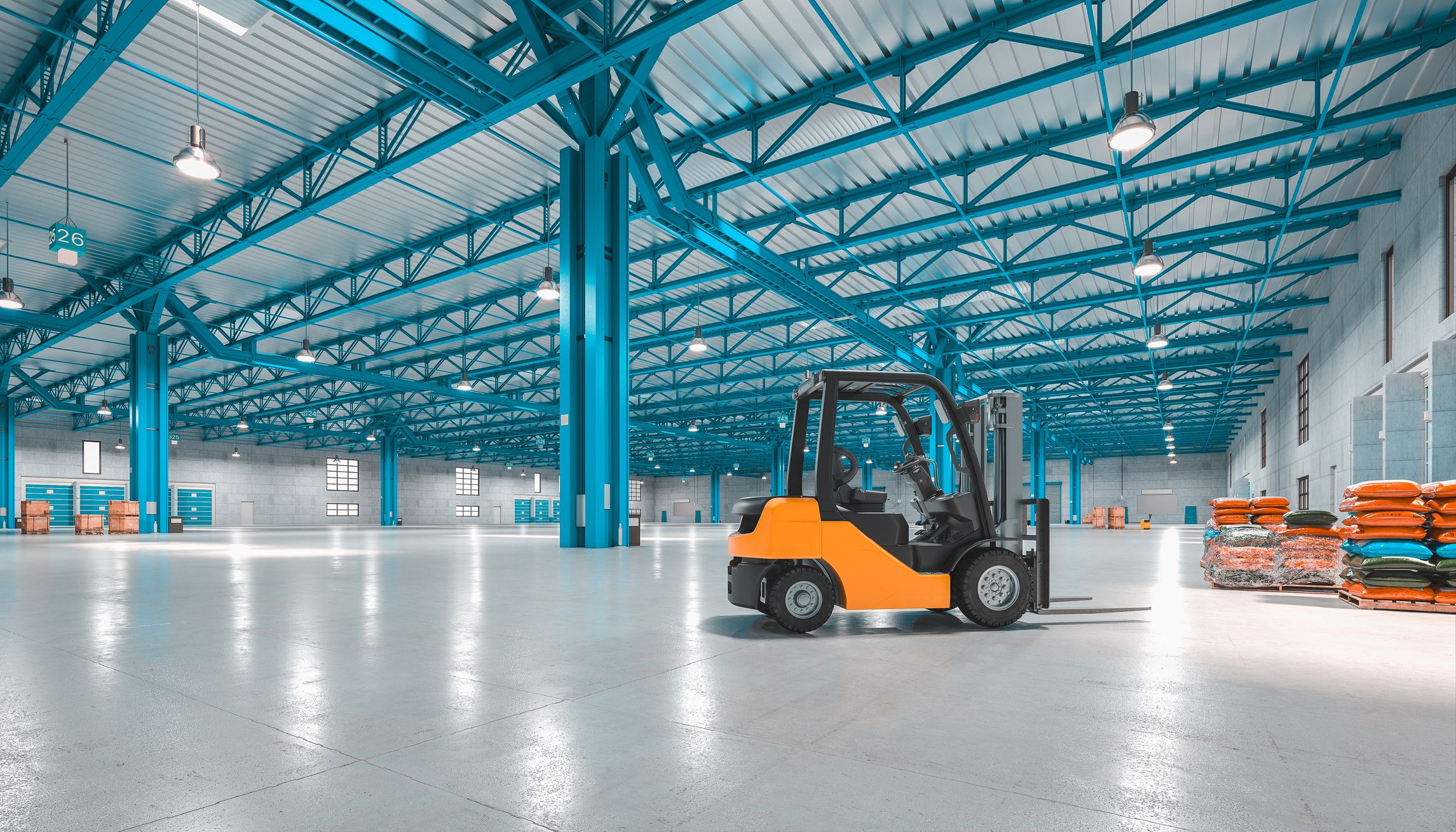
A forklift fleet is one of the most important investments for warehouses, distribution centers, manufacturers, and logistics companies. However, purchasing multiple forklifts outright can require a significant amount of capital.
That’s why many businesses explore forklift financing and leasing options. The right financing solution can help companies acquire the equipment they need while preserving cash flow and maintaining operational flexibility.
Before moving forward with forklift financing, here are a few key considerations.
1. Assess Your Equipment Needs
Not all forklifts are created equal. Before financing a fleet, evaluate how the equipment will be used.
Ask yourself:
• How many forklifts does your operation require?
• Will the equipment be used indoors, outdoors, or both?
• What load capacities are needed?
• Would electric or internal combustion forklifts be more efficient?
Choosing the right equipment upfront can improve productivity and reduce operating costs over time.
2. Consider More Than the Purchase Price
Many businesses focus solely on the cost of the forklifts themselves. However, the total cost of ownership includes much more than the initial acquisition.
Additional costs may include:
• Maintenance and repairs
• Batteries and charging systems
• Fuel expenses
• Operator training
• Insurance and compliance requirements
Understanding these costs can help you select a financing structure that aligns with your budget and long-term goals.
3. Preserve Cash Flow for Growth
One of the biggest benefits of forklift financing is the ability to preserve working capital.
Instead of making a large upfront investment, financing allows businesses to spread equipment costs over predictable monthly payments. This can free up capital for:
• Hiring employees
• Expanding facilities
• Purchasing inventory
• Investing in technology
For growing businesses, maintaining liquidity can be just as important as acquiring new equipment.
4. Understand Your Financing Options
There is no one-size-fits-all approach to equipment acquisition.
Depending on your business needs, you may consider:
Equipment Leasing
Leasing often provides flexibility and lower upfront costs. It can be an attractive option for companies that regularly upgrade equipment.
Equipment Financing
Financing allows businesses to spread payments over time while ultimately owning the equipment.
The best option depends on your budget, operational needs, and long-term plans.
5. Plan for Future Expansion
Many companies finance equipment based on current demand, but it’s important to think ahead.
If your business is growing, consider:
• New warehouse locations
• Increased production volume
• Additional shifts
• Future customer contracts
A scalable forklift financing solution can help ensure your fleet grows alongside your operation.
Partner with a Trusted Equipment Financing Provider
Financing a forklift fleet is about more than securing equipment—it’s about supporting your business’s long-term success.
An experienced financing partner can help you evaluate options, structure payments that fit your cash flow, and acquire the equipment needed to keep operations running efficiently.
Final Thoughts
Whether you’re replacing aging equipment or expanding your operation, forklift financing can provide a cost-effective way to acquire the equipment your business needs without tying up valuable capital.
By understanding your equipment requirements, evaluating total ownership costs, and planning for future growth, you can make a financing decision that supports both operational efficiency and financial stability.
Harbor Capital Leasing helps businesses secure flexible financing solutions for forklifts and other material handling equipment. Contact our team to learn how we can help support your next equipment acquisition.